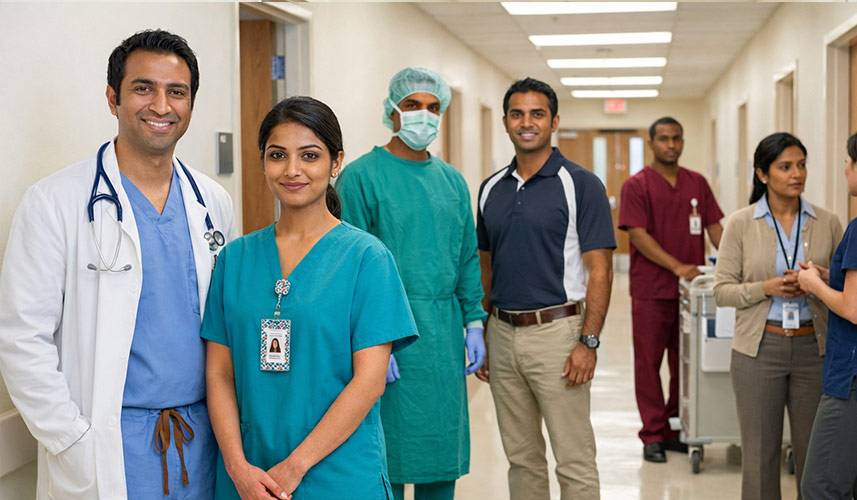
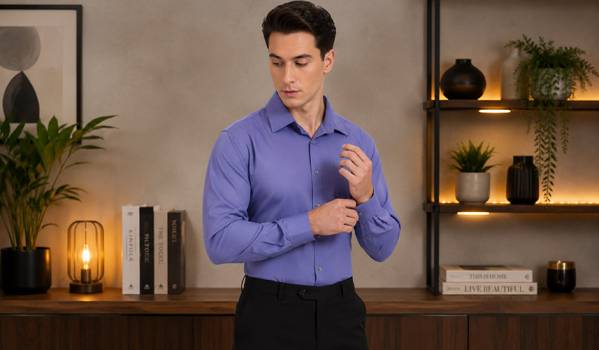
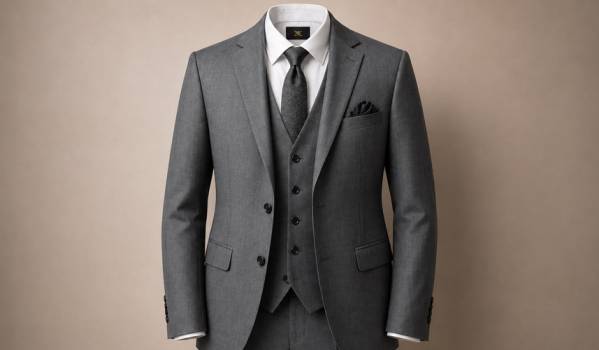
Anyone who has worked a double shift in a busy ward knows that by hour ten, the smallest things start to matter. It is not just the long hours or the constant walking; sometimes, the biggest enemy is a scratchy seam or a pair of trousers that won't stop rubbing. Hospital Uniforms are often treated as just a dress code, but when the fabric is stiff or cheap, it leads to real physical irritation. This rubbing, or fabric friction, can turn a difficult day into an unbearable one. By looking at how clothing interacts with the skin, hospitals can move toward gear that feels less like a heavy costume and more like a second skin. Manufacturers like Uniform Unicorn understands that it is about making sure the people saving lives are not distracted by their own clothes.
Why Soft Fabrics are a Game Changer for Staff
When you are rushing to an emergency, you should not be thinking about your waistband. The right material makes a massive difference in how a person feels at the end of a long day. If the fabric is too rough, it causes chafing that can last for days.
- Wicking Away the Sweat: When things get busy, skin gets damp, and damp skin chafes faster. Good fabric keeps the skin dry.
- Stretch is Essential: Nurses and doctors are constantly bending and reaching. If the fabric doesn't give, it pulls and rubs against the skin.
- Smooth Seams: The best uniforms have flat stitching so there are no thick ridges of thread digging into the shoulders or hips.
- Breathable Layers: Airflow keeps the body cool, which prevents the heat buildup that makes fabric feel extra itchy.
The New Standard for Lab Coats
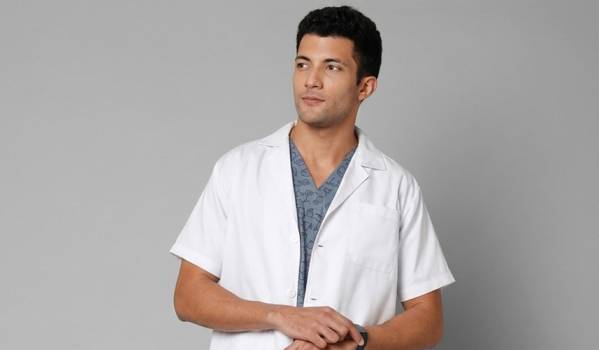
For a long time, the traditional white coat was a heavy, starched piece of clothing that felt like wearing a cardboard box. While Lab Coats need to stay clean and look professional, they should not be a burden to wear. Modern versions are moving away from that stiff, heavy cotton toward lighter blends that feel much softer. These newer coats offer plenty of protection against spills but are designed to be light enough that they don't cause neck strain or rub against the back of the neck. When a doctor or technician can move their arms freely without the sleeves bunching up, they can do their job with a lot more precision and much less annoyance.
Making Gear That Actually Lasts
Hospital clothes are washed more than almost any other type of clothing. If the quality is low, the fabric starts to "pill" or get those tiny, scratchy balls of lint on the surface after just a few cycles.
- Resisting the Pills: Higher quality threads stay smooth even after being washed in hot industrial water.
- Staying in Shape: There is nothing worse than a top that shrinks or twists, making the fit awkward and uncomfortable.
- Getting Softer Over Time: Some of the best professional fabrics actually feel better the more you wash them.
- Tough but Gentle: The goal is a material that is strong enough to handle a tough job but soft enough to wear against bare skin.
Why the Nurse Uniform Needs to Move Like Sportswear?
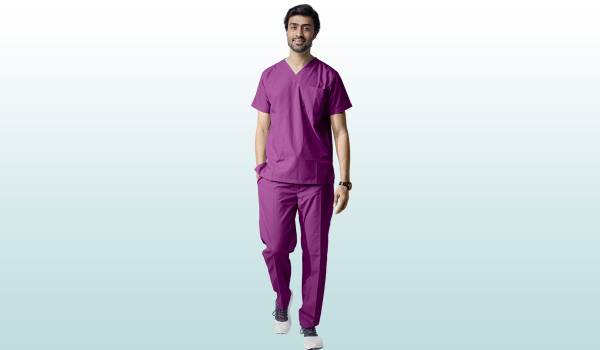
Nurses are essentially high-performance athletes in a medical setting. They are lifting, running, and moving for twelve hours straight. This is why the modern Nurse Uniform has changed so much. The best ones now feel more like high-end gym clothes than the old, boxy scrubs of the past. By using fabric that glides over the skin rather than catching on it, these uniforms prevent the painful rubbing that usually happens at the inner thighs or under the arms. This move toward comfort is not just a luxury; it is a necessity for anyone who is on the move all day. When a nurse is comfortable, they have more energy and can stay focused on the patients who need them most.
A Better Day for Healthcare Workers
At the end of the day, a hospital is only as good as the people working inside it. Giving them a uniform that actually feels good to wear is a simple way to show respect for the hard work they do. It is about removing the small, nagging pains of the job—like itchy tags or stiff collars—so the team can focus on what really matters. Choosing better, low-friction materials is a win for everyone. The staff feels better, they stay more focused, and the whole hospital runs more smoothly. It turns out that a little bit of comfort goes a long way in a high-pressure world.